Braking & pneumatic parts
Brake blocks and shoes, pneumatic hoses and couplers support braking and connection requirements. Equipment references and technical specifications provide the basis for compatibility checks.
03 / RAIL & INFRASTRUCTURE
Rolling stock, infrastructure components and specialist technologies supporting railway operation, maintenance and monitoring.
Discuss a project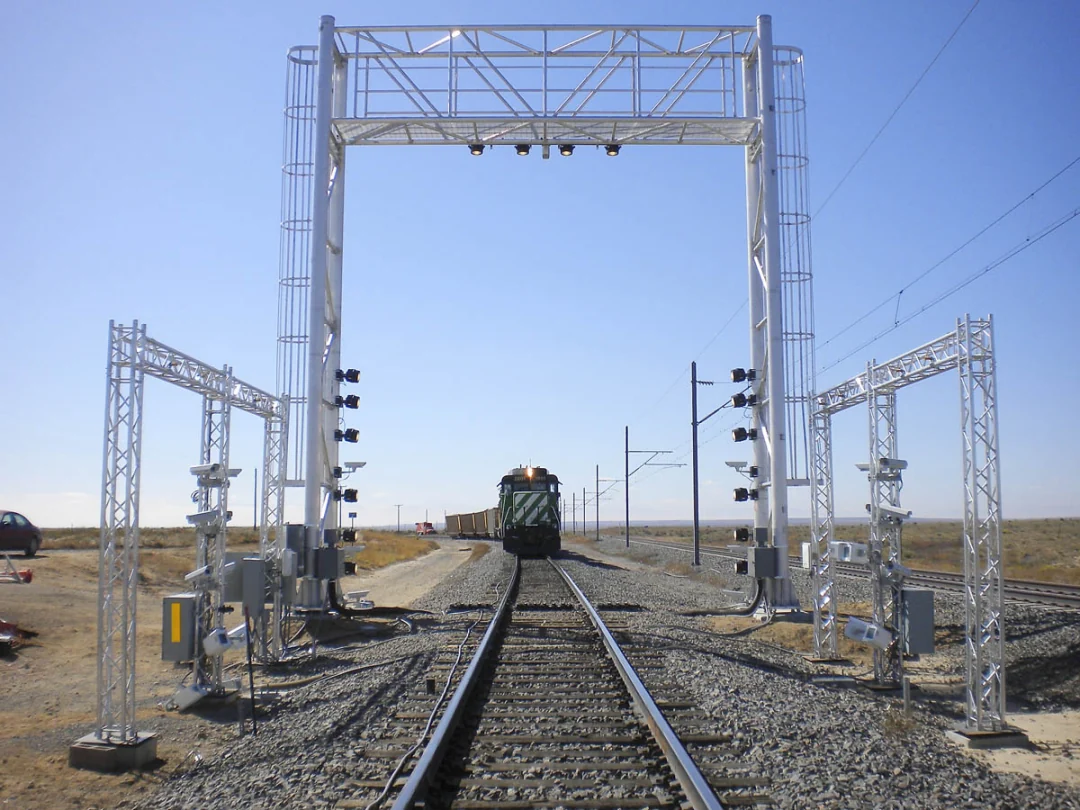
RAIL SOLUTIONS
Railway procurement must consider the whole operating environment: vehicles, track, maintenance and infrastructure condition.
Our rail division covers locomotives, wagons and rolling-stock spare parts, together with railway electrification technology, line-maintenance solutions and infrastructure diagnostics.
ROLLING STOCK & COMPONENTS
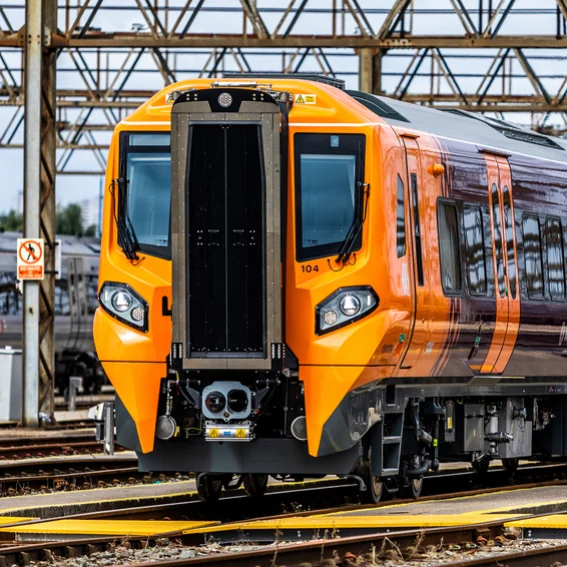
Supply discussions cover diesel multiple units (DMUs), locomotives, passenger coaches and freight wagons, together with the components needed for railway operation and maintenance.
Compatibility, operating duty and maintenance needs guide the sourcing process. Technical drawings, equipment identification and applicable specifications provide the basis for evaluating a component or proposed supply.
SPARE PARTS & CONSUMABLES
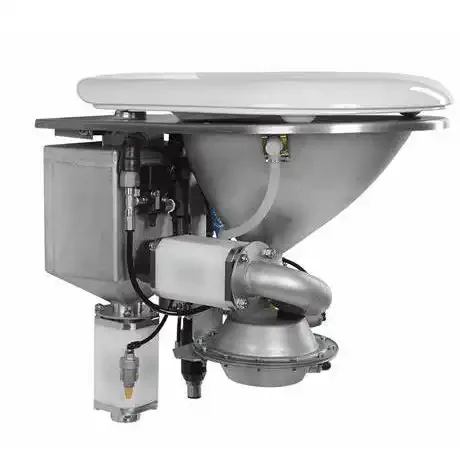
Brake blocks and shoes, pneumatic hoses and couplers support braking and connection requirements. Equipment references and technical specifications provide the basis for compatibility checks.
Traction motors, bogies, wheels, axles and bearings are included in the supply scope. Discussions consider the vehicle configuration, operating duty and maintenance requirements of the fleet.
Spare-parts and consumable requirements can be coordinated with planned maintenance and component replacement. Share part references, drawings, quantities and delivery expectations to establish the scope.
RAIL MAINTENANCE & MODERNISATION
Monitoring of rail infrastructure and rolling stock supports condition assessment and maintenance planning. Asset condition, available data and operating priorities guide the proposed monitoring scope.
The offering includes wheelset reprofiling and engine overhaul. Assessment starts with the equipment identity, condition and applicable maintenance requirements before the work scope is agreed.
Locomotives and track machines can be considered for refurbishment, modernisation or repowering. Technical evaluation considers the existing asset, intended operating role and interfaces affected by the proposed work.
Rolling-stock heating, ventilation and air-conditioning maintenance is complemented by signalling-system upgrades and maintenance. Each enquiry is scoped around the installed system and the railway’s operational requirements.
RAILWAY INFRASTRUCTURE
Steel rails, sleepers, fasteners, switches and crossings support the functioning and maintenance of railway infrastructure. Specifications and compatibility with the existing track system guide supply discussions.
Tamping machines, rail grinders, rail-welding equipment and hi-rail vehicles form part of the track-maintenance offering. Selection considers the intended work, track access and railway operating conditions.
Technology supporting railway electrification and infrastructure diagnostics, with integration requirements assessed for the existing railway.
TRAIN DETECTION & RAIL SAFETY
Detection and monitoring technologies can help identify conditions that affect rolling stock, railway infrastructure and people working around the railway.
Ritshi’s published offering covers the applications below. System selection and integration must be assessed against the railway’s operational requirements and existing infrastructure.
Detection technology supports a broader safety and maintenance strategy; performance and compliance requirements must be established for each deployment.
LET’S BUILD THE NEXT CONNECTION
PRACTICAL ANSWERS
The offering covers locomotives, diesel multiple units, passenger coaches and freight wagons. Components include brake blocks and shoes, pneumatic hoses and couplers, traction motors, bogies, wheels, axles and bearings.
Services include predictive monitoring, wheelset reprofiling, engine overhaul, locomotive and track-machine refurbishment, modernisation and repowering, rolling-stock HVAC maintenance, and signalling-system upgrades and maintenance.
Steel rails, sleepers, fasteners, switches and crossings are included alongside tamping machines, rail grinders, rail-welding equipment and hi-rail vehicles. Selection considers the work scope and compatibility with the railway.
The published applications include broken rails, dragging equipment, rockslides and earth movement, flooding and wash-outs, flat wheels, level crossings and worksite protection. System integration and performance requirements must be established for each railway.
Provide the vehicle or track-system identification, equipment model, component reference, technical drawings, quantity and required delivery date. Operating duty and relevant compatibility requirements help define the supply scope.